What is Hernia Surgery?
Hernia surgery repairs a bulge caused by tissue or an organ pushing through a weak spot in the abdominal wall. The procedure strengthens the area, often using mesh, to prevent recurrence and relieve symptoms.
What causes a hernia?
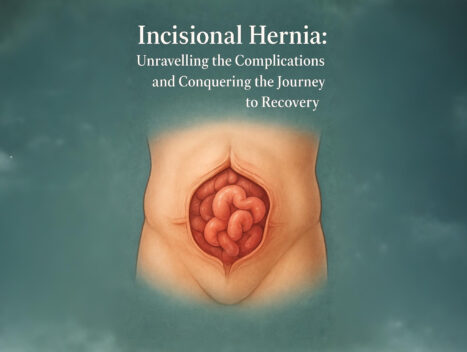
Hernias are often caused by weakened abdominal muscles, which can be due to factors such as heavy lifting, chronic coughing, obesity, or previous surgical incisions.
Common Types of Hernia Surgery:
1. Open Repair – A single incision is made to access and repair the hernia.
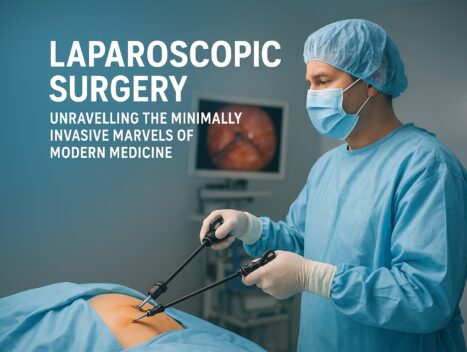
2. Laparoscopic Repair – Minimally invasive surgery using small incisions and a camera.
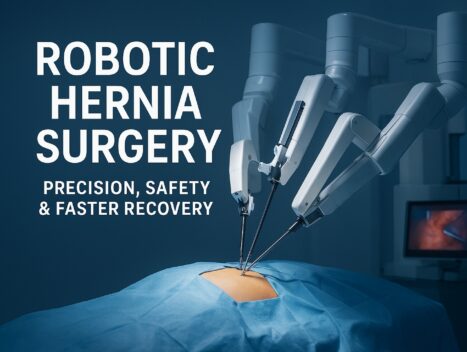
3. Robotic Repair – A high-precision, minimally invasive technique using robotic assistance.
How long does hernia surgery take?
The duration of hernia surgery depends on factors like the type and size of the hernia. Typically, it can last anywhere from 30 minutes to a few hours.
Is hernia surgery performed under general anaesthesia?
Yes, hernia surgery is usually performed under general anaesthesia, which means you will be unconscious during the procedure.
Is hernia surgery painful?
While you won’t feel pain during the surgery due to anaesthesia, some discomfort is normal after the procedure. Your surgeon will provide pain management to help alleviate post-operative pain.
What is the recovery time for hernia surgery?
Recovery time varies depending on the type of surgery and individual factors. In general, patients can resume light activities within a few days to a week and return to normal activities within 2 to 6 weeks.
Can hernias recur after surgery?
Hernias can recur, but the risk of recurrence is significantly reduced when surgery is performed correctly and when patients follow post-operative care instructions.
Are there any potential complications with hernia surgery?
Like any surgery, hernia repair carries some risks. Potential complications may include infection, bleeding, mesh-related issues, or recurrence. However, complications are relatively rare.
When should I seek medical attention after hernia surgery?
If you experience severe pain, fever, redness, swelling, or have difficulty passing urine or bowel movements after hernia surgery, seek immediate medical attention.
Can I resume physical activities after hernia surgery?
Your surgeon will provide guidelines on when and how you can safely resume physical activities. Initially, you’ll need to avoid heavy lifting and strenuous exercises.
Is it normal to feel a lump or swelling after hernia surgery?
Mild swelling or a small lump after hernia surgery is normal and part of healing. Consult your surgeon if it worsens or becomes painful.
Hernia Treatment without Surgery - is it possible?
Hernia cases require surgery since it requires ‘pushing’ the protruding organs back in place through the opening & closing the opening with mesh. Hernia cannot ‘heal’ itself through medicine, homeopathy or exercises.
When can I get back to work after hernia surgery?
In most cases this varies from 3-4 days. This usually depends on the type of hernia being treated, its size and the technique used to treat it.
Is Hernia Treatment covered under Health Insurance?
Yes, all Hernia treatments are covered under health insurance. Call today for more information.
What is the quality of mesh being used?
We use top quality mesh, generally the best in the market with negligible chances of infection.