
What is Hernia?
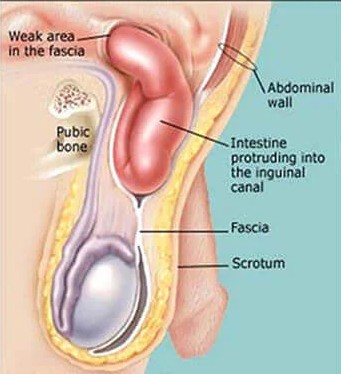
A hernia occurs when an internal organ or tissue pushes through a weak spot in the surrounding muscle or tissue wall. This often results in a visible or noticeable bulge.
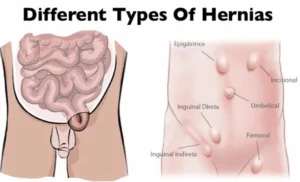
The most common type is an inguinal hernia, which appears as a swelling in the groin area (between the abdomen and thighs). Other common types include:
Umbilical hernia – seen around the belly button (navel)
Incisional hernia – occurs near a previous surgical scar on the abdomen
Hernias often develop when a portion of the intestine or abdominal tissue slips through a weakened area in the abdominal muscles. You might see or feel the bulge, especially when standing, coughing, or straining. While some hernias may not cause pain, they can become uncomfortable or lead to complications if left untreated.
Types Of Hernia
There are several types of hernias, but the three most common include:
Inguinal Hernia
This type of hernia occurs in the groin area—the region between the abdomen and the thigh. It can appear on the right side, left side, or both sides. Inguinal hernias are more common in men.
Umbilical Hernia
An umbilical hernia develops as a swelling or bulge around the belly button (navel). It is more common in infants but can also affect adults.
Incisional Hernia
This type appears as a bulge at or near the site of a previous surgical scar on the abdomen. It may develop shortly after surgery or even years later, especially if the abdominal wall did not heal properly.
Causes of Hernia
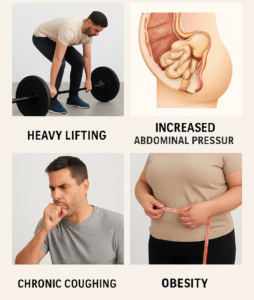
A hernia usually develops due to a combination of muscle weakness and increased pressure or strain on that weakened area. It may appear suddenly or develop gradually over time.
Common causes of muscle weakness that can lead to a hernia include:
- Congenital defect: When the abdominal wall does not fully close before birth
- Advancing age: Natural weakening of muscles as we get older
- Chronic coughing: Persistent coughing can strain abdominal muscles
- Straining during urination or bowel movements: Often due to constipation or prostate issues
- Heavy lifting: Especially without proper technique or support
- Previous abdominal surgery or injury: Surgical incisions or trauma can weaken the muscle wall
Reducing strain on the abdominal area and addressing underlying health issues can help lower the risk of developing a hernia.
Common Symptoms of Hernia
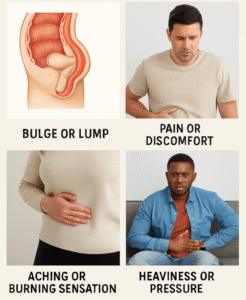
- Visible Swelling: A noticeable bulge may appear when standing, coughing, or straining, and often disappears when lying down.
- Swelling Worsens with Activity: The bulge may increase in size during physical activities like lifting heavy objects, coughing, sneezing, or straining during urination or bowel movements. This may cause discomfort or mild pain.
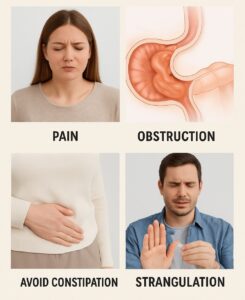
- Pain and Complications: While hernias are often painless, severe pain may occur if complications such as obstruction (blockage) or strangulation (loss of blood supply) develop. These are medical emergencies and can be life-threatening.
- Urinary Symptoms: In some cases, the urinary bladder may be part of the hernia. This can lead to symptoms like frequent urges to urinate.
- Abdominal Discomfort: If the hernia contains intestines or fatty tissue and passes through a tight opening, it can cause pressure and pain, sometimes felt in the middle of the abdomen.
How Is a Hernia Diagnosed?
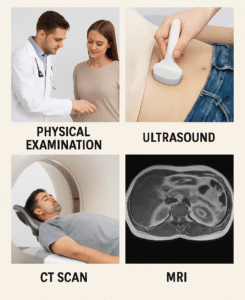
- Clinical Examination: A hernia is usually diagnosed by a doctor during a physical examination. It typically presents as a swelling that becomes more noticeable when standing, coughing, or straining, and often reduces or disappears when lying down.
- Common Sites: Hernias commonly occur in specific areas such as the groin (inguinal hernia), around the navel (umbilical hernia), or at the site of a previous abdominal surgery (incisional hernia).
- Imaging Tests:
- If the hernia is suspected but not clearly visible or felt, imaging tests like high-frequency ultrasound (sonography) or MRI may help confirm the diagnosis.
- For large or complex hernias, a CT scan may be recommended to assess the extent and content of the hernia in greater detail.

Treatment for a Hernia
- Why Treatment Is Important:
Not all hernias cause immediate problems, but if left untreated, they can become complicated and even life-threatening. Therefore, medical professionals recommend treating all hernias, even if they are not currently painful. - No Non-Surgical Cure:
Hernias cannot be cured with medications, whether in allopathy, Ayurveda, homeopathy, unani, or naturopathy. There is no tablet, injection, or alternative therapy that can repair a hernia. - Surgery Is the Only Effective Treatment:
The only definitive treatment for a hernia is surgical repair. There are two main types of hernia surgeries:
- Open Surgery:
- Involves a larger incision to access the hernia.
- The muscles are repaired, and a mesh is placed to strengthen the area and prevent recurrence.
- Laparoscopic (Keyhole) Surgery:
- Performed through small incisions using a camera and instruments.
- The same repair is done with mesh placement.
- Benefits include less pain, shorter hospital stay, faster recovery, and better cosmetic results

Precautions for People with Hernia
If you have a hernia, taking the following precautions can help prevent it from getting worse:
- Maintain a Healthy Weight: Obesity increases pressure on the abdominal wall and can worsen the hernia.
- Avoid Lifting Heavy Weights: Straining the abdominal muscles can cause the hernia to enlarge or become painful.
- Prevent Constipation and Straining: Avoid straining during bowel movements or urination. Stay hydrated and eat a fiber-rich diet.
- Avoid Intense Physical Activity: Refrain from heavy exercises or activities that put pressure on your abdomen.
- Treat Cough and Cold Promptly: Persistent coughing increases abdominal pressure and may aggravate the hernia.
- Quit Smoking: Smoking weakens muscle tissue and delays healing, increasing the risk of complications.
- Consult a Specialist Early: Do not delay seeing an experienced hernia surgeon for proper evaluation and timely treatment.
Complications of Untreated Hernia
If a hernia is not treated in time, it can lead to serious health problems, including:
- Progressive Enlargement: The hernia may gradually increase in size and begin to cause pain or discomfort.
- Complex Surgical Repair: Larger hernias often require more complicated surgeries and carry a higher risk of recurrence.
- Obstruction (Blocked Hernia): A portion of the intestine can become trapped in the hernia opening, leading to an obstructed hernia.
- Severe Symptoms: Obstruction may cause severe abdominal pain, nausea, vomiting, and inability to pass stool or gas.
- Strangulation and Gangrene: If the blood supply to the trapped intestine is cut off, it can result in gangrene (tissue death), intestinal rupture, infection (sepsis), and can be life-threatening if not treated urgently.
Early consultation and timely surgery are essential to avoid these serious complications.

Hernia Prevention Tips
While you may not be able to prevent the muscle weakness that causes a hernia, you can reduce strain on your body to help prevent one from forming or worsening.
Here are some useful prevention tips:
- Quit Smoking: Smoking weakens muscles and can lead to chronic coughing, both of which increase hernia risk.
- Treat Coughs Promptly: Seek medical advice for persistent coughs to avoid putting repeated pressure on your abdominal wall.
- Maintain a Healthy Weight: Excess weight increases strain on abdominal muscles, raising the risk of hernia.
- Avoid Straining: Prevent constipation and avoid straining during bowel movements or urination by drinking plenty of fluids and eating a fiber-rich diet.
- Avoid Heavy Lifting: Do not lift heavy objects, especially without proper technique, as it increases pressure on the abdominal wall.
Making these lifestyle changes can reduce your risk and help manage an existing hernia more effectively.

Risk Factors for Hernia
Several factors can increase the likelihood of developing a hernia or worsen an existing one:
- Obesity: Excess weight puts pressure on the abdominal wall, increasing hernia risk.
- Smoking: Weakens connective tissues and increases the risk of chronic cough, both of which can lead to hernia formation.
- Chronic Cough: Repeated coughing strains the abdominal muscles, making hernias more likely.
- Straining During Urination or Bowel Movements: Often due to constipation or prostate problems, this increases abdominal pressure.
- Lifting Heavy Objects: Especially without proper technique, this can cause or worsen a hernia.
- Injury to the Abdominal Wall: Trauma can weaken the muscles, making them prone to herniation.
- Previous Abdominal Surgery: Especially open surgeries, may weaken the abdominal wall and increase the chance of a hernia.
- Post-Surgical Complications:
- Persistent Pain: Some patients may experience long-term pain after hernia surgery.
- Swelling: Fluid accumulation (seroma) can occur in the operated area.
- Infection: If the mesh used during surgery becomes infected, it may need to be removed.
- Recurrence: In some cases, the hernia can return even after surgery.
Understanding these risk factors can help in early detection, prevention, and timely treatment of hernias.